
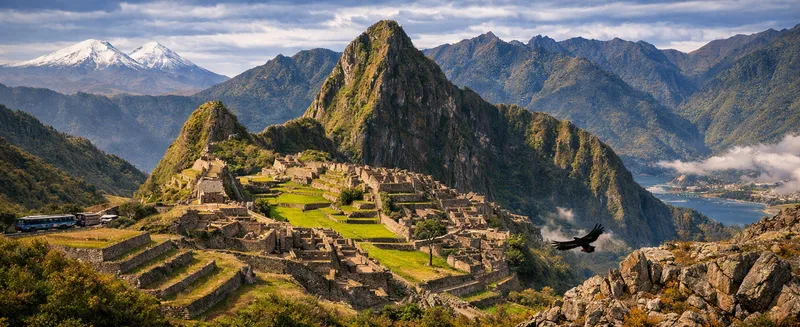
Machu Picchu is not just a destination — it's a dream for millions of travelers. Nestled in the Andes Mountains, this Inca citadel combines history, mystery, and breathtaking scenery.
Planning a Machu Picchu trip requires preparation, but the reward is unforgettable. Whether you choose to hike the classic Inca Trail or ride the scenic train from Cusco, every path leads to one of the world's most spectacular archaeological sites. This guide walks you through every stage of the journey — from acclimatizing in Cusco to choosing the right circuit inside the citadel — so you can build a Machu Picchu itinerary that actually fits your time, budget, and fitness level. For a deeper, step-by-step breakdown of transport options, see our companion guide on how to get to Machu Picchu.
🎁 FREE — INSTANT DOWNLOAD
Peru Safety & Scam Guide
Common scams, taxi safety, altitude advice, and what to avoid at every major destination. Free PDF — no email required.
Download Free PDF →| Topic | Key Info |
|---|---|
| Best Time | May–October (dry season) |
| Access | Train from Cusco/Ollantaytambo or Inca Trail trek |
| Entry | Book tickets months in advance |
| Altitude | 2,430 m — acclimatize in Cusco first |
| Recommended Trip Length | 4–7 days round trip from Cusco |
🏙️ Starting in Cusco
Cusco — The Gateway
Gateway City · 3,400 m altitude
Cusco is the gateway to Machu Picchu. Spend at least two days acclimatizing to the altitude before heading onward. Explore the Plaza de Armas, the ancient Sacsayhuamán fortress, and the vibrant San Pedro Market. Cusco's unique blend of Inca foundations and Spanish colonial architecture perfectly sets the tone for your journey into the Andes. If Cusco is your first stop in the region, it's worth reading our full Cusco travel guide for neighborhood recommendations, restaurant picks, and a realistic acclimatization schedule before you head further into the mountains.
Tip: Drink coca tea and avoid alcohol your first day to help with altitude sickness.
Altitude sickness (soroche) is the most common reason travelers feel unwell during the first days of a Peru trip. Cusco sits at roughly 3,400 meters, well above the threshold where headaches, fatigue, and shortness of breath can appear. Building in one full rest day before any strenuous activity makes a noticeable difference — our guide on how to avoid altitude sickness in Cusco covers prevention and treatment step by step.
🚂 Train vs. Inca Trail
Getting There
Train or Trek · Your Choice
Most visitors take the train from Cusco or Ollantaytambo to Aguas Calientes, the town at the base of Machu Picchu. The Vistadome offers panoramic windows and stunning valley views, while the luxury Hiram Bingham provides a full dining experience. Adventurers should consider the classic Inca Trail — a four-day trek through cloud forests and ancient ruins that culminates at the Sun Gate. Alternative treks like Salkantay or Lares are less crowded but equally scenic and rewarding.
Each option suits a different traveler. The train is the fastest, most comfortable route — ideal if you're short on time or prefer not to carry a pack at altitude. The classic Inca Trail is a bucket-list trek in its own right: permits are limited to around 500 people per day (guides and porters included), and the route passes several archaeological sites you won't see from the train. Multi-day alternatives such as Salkantay climb past glaciated peaks before descending into the cloud forest near Aguas Calientes — a good middle ground for hikers who want a challenge without an Inca Trail permit booked months ahead.
Tip: Inca Trail permits sell out months in advance — book early through a licensed operator.
🗓️ How Many Days Do You Need?
A rushed one-day trip to Machu Picchu from Cusco is possible, but it leaves almost no room for delays and skips the acclimatization your body needs. For a comfortable, low-stress experience, plan for 4 to 7 days total: two days in Cusco to adjust to the altitude and explore the city, one or two days in the Sacred Valley (Ollantaytambo and Pisac are worth the detour), a day for Machu Picchu itself, and a buffer day in case of train delays or weather. Travelers combining Machu Picchu with a longer Peru itinerary often extend this to 10–14 days to include Lima, the Sacred Valley, and sometimes Lake Titicaca or the Nazca Lines — our 10-day Peru itinerary is a useful starting template if you're planning a first visit.
🎟️ Entrance Tickets & Circuits
One detail that surprises many first-time visitors is that Machu Picchu tickets aren't simply "one ticket, walk anywhere." Peru's Ministry of Culture manages access through numbered circuits — fixed walking routes through different sections of the citadel, each with a daily visitor cap and a specific entry time slot. Circuit 2 is generally considered the most complete route, covering both the iconic elevated viewpoint seen in postcards and the main urban sector. Other circuits focus on the agricultural terraces, the lower town, or different panoramic angles, and some overlap only partially with each other.
If you plan to add Huayna Picchu or Machu Picchu Mountain, these require a separate add-on ticket bundled with a specific circuit, and both sell out weeks — sometimes months — ahead during high season. Booking your entrance ticket, train, and any mountain add-on together, ideally through a licensed local operator, removes most of the guesswork.
📅 Best Time to Visit
The dry season (May–October) is the ideal time to visit Machu Picchu. Skies are clear and trails are dry. Early mornings are magical, with mist lifting slowly over the ruins to reveal the citadel in all its glory. The rainy season (November–March) brings fewer crowds but slippery trails and reduced visibility — though prices are also lower. June through August is peak season, coinciding with North American and European summer holidays, so trains and entrance tickets sell out fastest during these months. Shoulder months like April, May, September, and October often offer the best balance of good weather and smaller crowds.
🏛️ Inside Machu Picchu
The main highlights of the citadel include the Temple of the Sun, the sacred Intihuatana Stone, and the Temple of the Three Windows. Each structure reflects the extraordinary astronomical knowledge and architectural mastery of the Inca civilization. Allow a full morning to explore the site at a comfortable pace. A licensed guide adds enormous value here — many of the site's most interesting details, from the way buildings align with the solstice sun to the function of the agricultural terraces, aren't explained on any signage inside the citadel itself.
🌄 Panoramic Views
Huayna Picchu — the dramatic peak behind the citadel — offers steep climbs and breathtaking views looking down over the ruins. Tickets are strictly limited to 400 visitors per day, so book well in advance. Machu Picchu Mountain is a longer climb but far less crowded and offers equally rewarding panoramas of the entire citadel and valley. Both hikes take between 1.5 and 3 hours round trip and involve steep, uneven stone steps, so they're best suited to visitors in reasonably good health who are already acclimatized.
🛏️ Where to Stay: Cusco, Sacred Valley, or Aguas Calientes
Where you sleep shapes the whole trip. Basing yourself in Cusco makes sense if you're combining Machu Picchu with city sightseeing and want easy access to restaurants, museums, and onward flights — see our roundup of the best hotels in Cusco for options across every budget. Staying a night or two in the Sacred Valley (Urubamba or Ollantaytambo) is a smart move for altitude acclimatization, since the valley sits several hundred meters lower than Cusco, and it also shortens the train ride to Aguas Calientes the next morning; our Sacred Valley travel guide covers the best towns and ruins to combine with your stay.
Spending a night in Aguas Calientes (also called Machu Picchu Pueblo), the small town at the base of the mountain, is the best option if you want to catch sunrise at the citadel before the bulk of the day-trippers arrive on the first trains. Rooms here book out quickly in high season, so reserve early — our guide to the best hotels in Machu Picchu Pueblo breaks down the top choices by price range and proximity to the bus station.
🗺️ Nearby Attractions
Combine your Machu Picchu trip with visits to Ollantaytambo, Pisac, and the broader Sacred Valley. These sites showcase remarkable Inca engineering and living local culture. Pisac's market is one of the best places to buy authentic Andean textiles directly from artisans. If your itinerary allows for it, pairing the Sacred Valley with a couple of extra days back in Cusco to see lesser-visited ruins is a great way to escape the crowds — check our list of hidden gems in Cusco for ideas beyond the standard sightseeing circuit.
💰 Budgeting Your Machu Picchu Trip
Costs vary widely depending on how you travel. A budget traveler taking the standard Vistadome train, staying in a mid-range Aguas Calientes hotel, and buying a Circuit 2 entrance ticket independently can expect to spend somewhere in the range of $250–400 USD per person for the Machu Picchu portion of the trip alone, excluding flights into Peru. Travelers who prefer an all-inclusive guided day tour — with hotel pickup, train, bus, entrance, and a private or small-group guide bundled together — typically pay more but remove nearly all the logistics. At the top end, the luxury Hiram Bingham train experience includes gourmet dining and premium service for those who want the journey itself to feel like part of the destination.
✅ Practical Tips
Book entrance tickets months in advance — daily visitor numbers are strictly controlled. Carry plenty of water, sunscreen, and a light jacket as temperatures can drop unexpectedly. Respect the site at all times: Machu Picchu is a UNESCO World Heritage treasure and fragile archaeological site. No food or drink is permitted inside the citadel. Large backpacks and walking sticks without rubber tips are also restricted, so pack a small daypack for the visit itself. Bring your original passport, since it's checked against your ticket at the entrance gate and cannot be substituted with a photo or copy.
❓ Frequently Asked Questions
Do I need a guide to enter Machu Picchu? Yes — current regulations require all visitors to enter with a licensed guide, either as part of a small group or a private tour.
Can I visit Machu Picchu without hiking the Inca Trail? Absolutely. Most visitors reach the citadel by train and bus, with no trekking required beyond walking around the site itself.
Is one day in Machu Picchu enough? A single day is enough to see the highlights of the citadel, but it doesn't leave time for Huayna Picchu or Machu Picchu Mountain, and it means a very early start and a late return to Cusco.
What should I pack for the day? Layered clothing, a rain jacket, sunscreen, insect repellent, water, snacks, and your passport are the essentials — see our full Peru packing list for a complete checklist by season.
Physical SIM vs eSIM: Buying a physical SIM in Peru often means long queues at the airport or shopping centres, and you will need to show your passport for registration. To skip the wait and arrive already connected, activating an Airalo eSIM before your flight is the smarter alternative. Use code PERULOCAL for an exclusive 15% discount — and step off the plane with data already running.
✈️ Travel Tip: Save on Roaming Costs in Peru
Travelers can avoid expensive roaming fees by using Airalo eSIMs, the world's first eSIM store with fast, reliable data plans for Peru and 200+ destinations.
Exclusive Offer: Save 15% on your first eSIM with the code PERULOCAL.
Set up your Airalo eSIM before flying and stay connected the moment you land. Buy Your eSIM
Ready to travel smarter? Get Your eSIM Now
Offer valid until December 31, 2026.